By: Gigi Pedraza, Executive Director Latino Community Fund Georgia
Political strategists and campaigns have been working overtime to predict winners and losers in Georgia. Yet very little attention has been paid to the most decisive voting bloc in the state: the fast-growing, deeply engaged Latino vote.
This year, our community more than doubled early turnout compared to the last midterm election, shattering the myth of voter fatigue or disenchantment. Like any community, we are energized when we feel we have the most to win or to lose. Right now, that feeling is everywhere.
This shift did not begin overnight. It has been building precinct by precinct, county by county, election cycle by election cycle. And the data from this cycle makes one thing undeniably clear: the Latino electorate in Georgia is no longer a footnote or an asterisk. It is central to a winning coalition and more than the margin of victory.
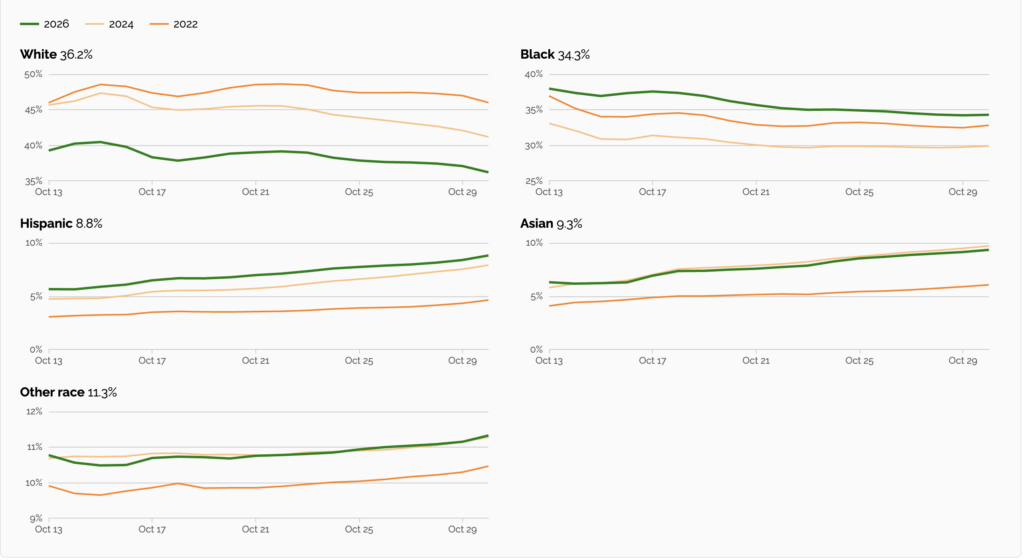
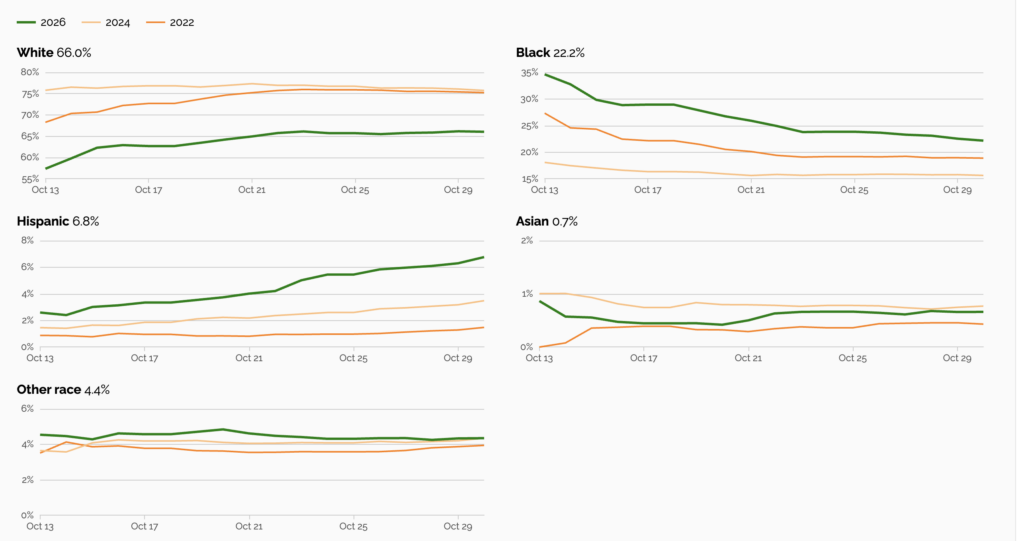
Precinct-level early vote data tells a story that every candidate, every campaign manager, every county commissioner, and every community organization in this state needs to understand: 82% of Georgia precincts saw an increase in early vote turnout overall, and Latino voters showed significant growth in urban, suburban, and rural counties alike. From Gwinnett County all the way to Colquitt County, historically an agricultural hub with an older, predominantly white electorate, our presence is undeniable, even as thousands of H2A farmworkers in those same fields remain lawfully present but ineligible to vote.*
Gwinnett County Early Voters
Colquitt County Early Voters
This growth is structural. It is driven by young people coming of age and by voters responding directly to how they experience life in this state. We ought to recognize this for what it is: a community maturing politically, demanding a voice, and showing up to claim it.
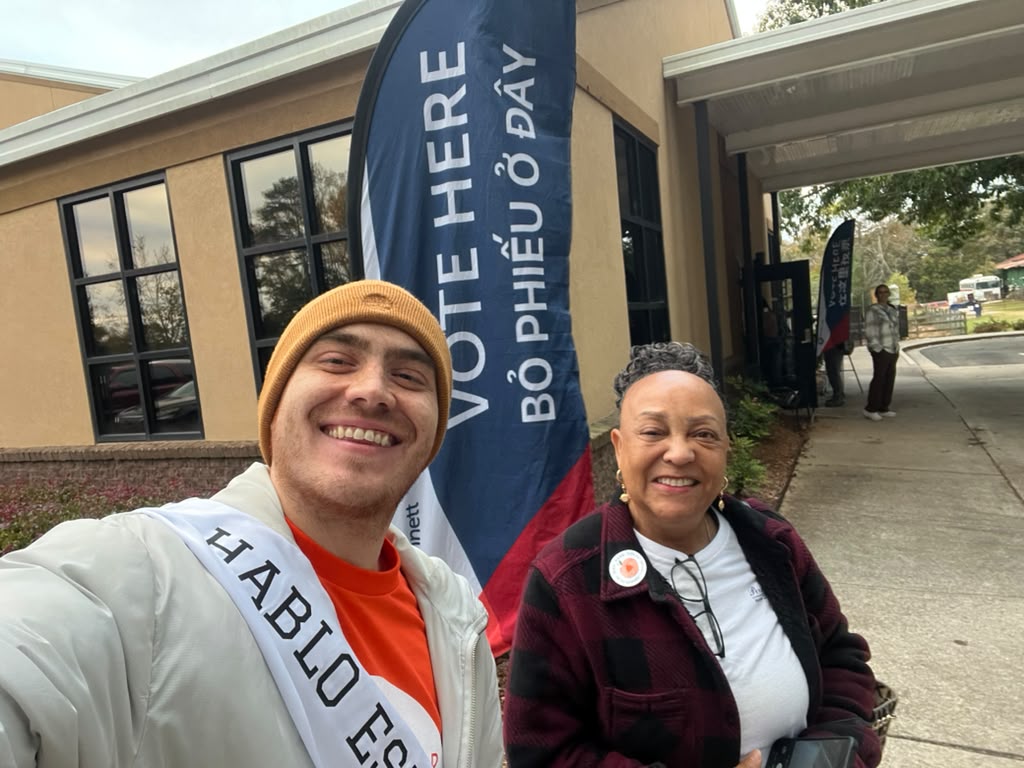
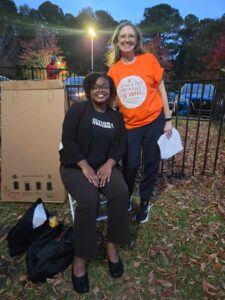
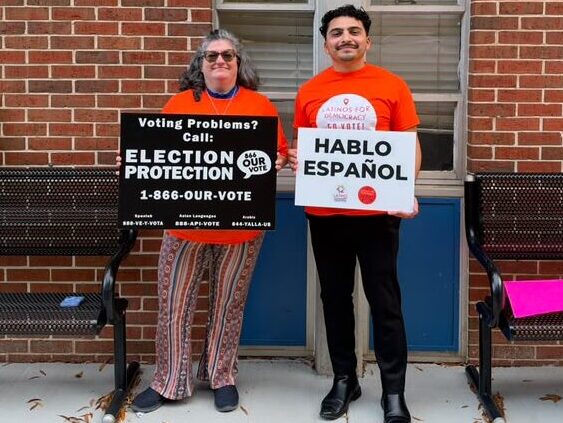
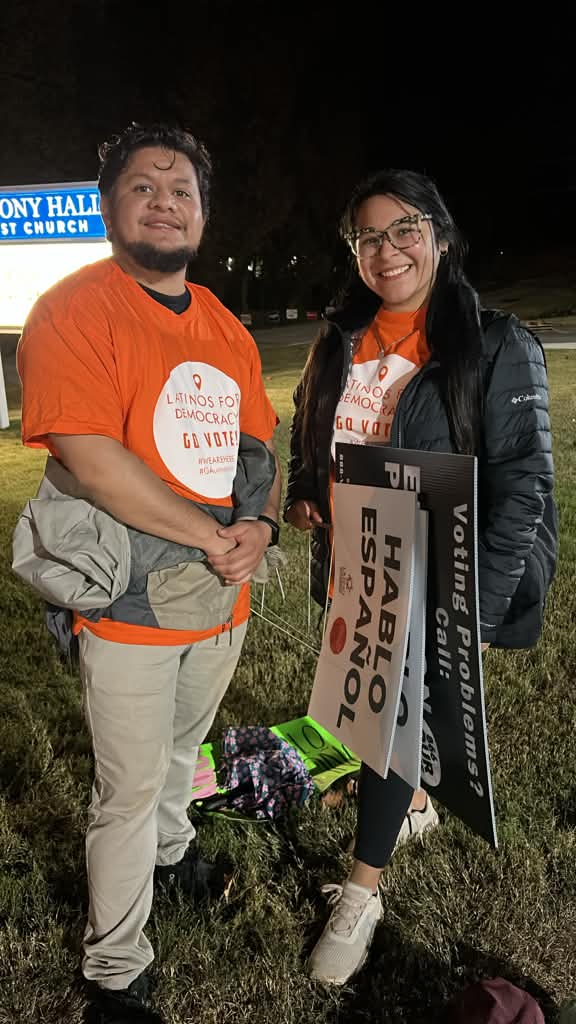
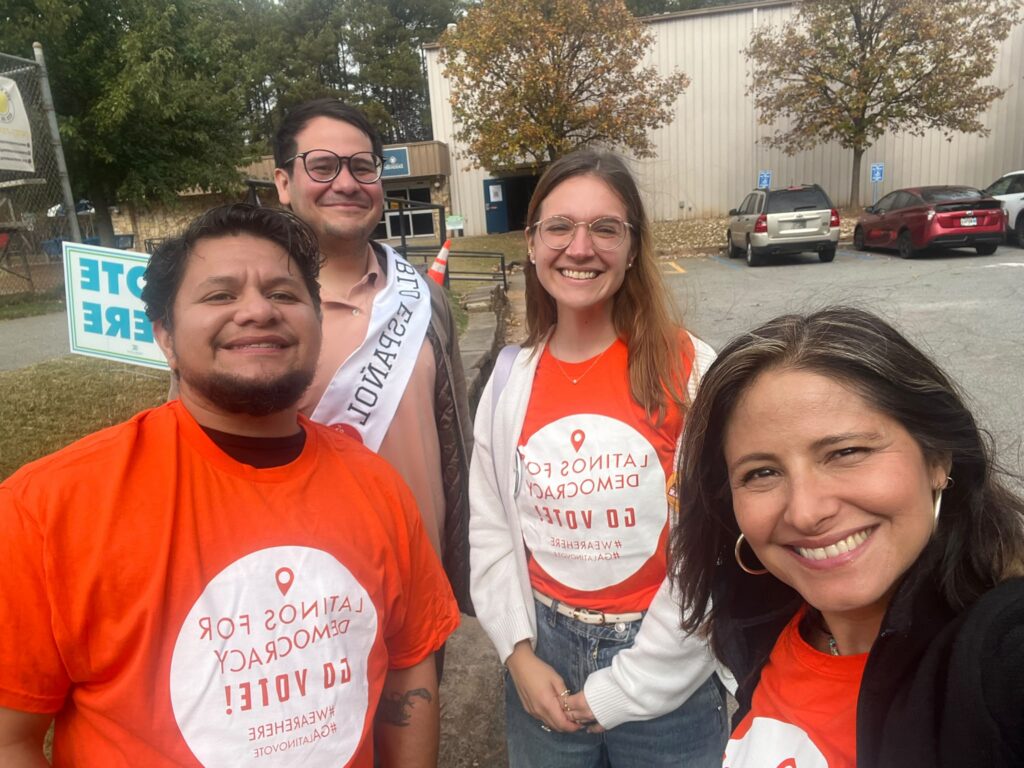
I know this firsthand. I spent all of Election Day managing communications, responding to issues, de-escalating tensions, and answering questions from more than 100 people monitoring dozens of precincts across Georgia to support voters who needed assistance as part of the Latinos for Democracy Coalition and a Coordinated Elections Protection Campaign focused on naturalized voters. The joy, the commitment, and the sheer energy of those volunteers and partner organizations were contagious and deeply moving.
So many first-time voters, young and old. So many voters with mobility challenges, determined to make their voices heard even when polling locations were not built for them. Hundreds of Latino voters who lined up at 6:30 a.m. in Gwinnett and Hall before work, and hundreds more who came after their shifts and stayed in line in Gainesville until 8:30 p.m. That is not apathy. That is devotion.
And the stakes are higher than the numbers alone suggest. In Georgia, one registered Latino voter effectively represents two people: themselves and a family member or neighbor who is too young, not yet a citizen, or otherwise ineligible to vote. Every vote carries the weight of our entire community and we are and will be watching..
As Georgia changes, competitive margins are increasingly determined by whether Latino and AAPI voters across the state are mobilized or ignored. The community that built Georgia’s economic growth over the past two decades is now building its political future.
The only question is whether Georgia’s political institutions will rise to meet this moment, or continue to treat the fastest-growing and youngest demographic in the state as a constituency for another day. That day is here.
(*) H2A workers are foreign born (mostly men) working on the fields with limited protections, no freedom of movement and contracts lasting a few months as part of a Federal Program that started after World War I and expanded significantly with the Bracero Program (1942–1964) bringing millions of Mexican laborers to the U.S. to work on farms and railroads during labor shortages.
Responses